Vietnam’s Garment Sector and EU/US Tariffs: How SMEs Can Stay Competitive
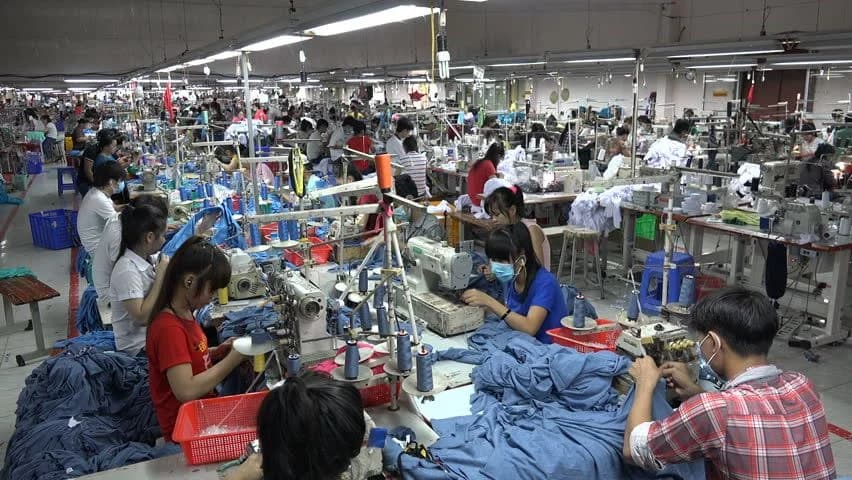
Vietnam's garment and textile sector stands as a cornerstone of the national economy and a significant player in global trade.1 Ranking among the world's top exporters, the industry, largely powered by dynamic Small and Medium Enterprises (SMEs), contributes substantially to Vietnam's export revenue and employment.1 However, navigating the complexities of international trade presents unique hurdles for these SMEs, often operating with more limited resources compared to larger corporations.4
Today, Vietnamese garment SMEs face a starkly diverging landscape in their key export markets. The European Union (EU) offers a pathway paved with opportunity through the EU-Vietnam Free Trade Agreement (EVFTA), promising preferential access and reduced costs.3 Conversely, the United States (US) market presents a more challenging environment, characterized by standard Most-Favoured Nation (MFN) tariffs and compounded by escalating geopolitical tensions, leading to significant tariff risk for Vietnam SMEs.13
Understanding and strategically responding to these differing regimes for Vietnam textile tariffs and garment export duties is no longer just advantageous – it is crucial for survival and growth. The ability to effectively manage costs, ensure compliance, and maintain competitiveness in the global clothing trade Vietnam hinges on navigating this complex tariff environment.18 In a volatile global trade landscape, proactive planning and informed decision-making are essential.18 This analysis delves into the specifics of the EU and US tariff situations, explores the impact on Vietnamese garment SMEs, and outlines strategies to maintain a competitive edge.
Unlocking Europe: Maximizing EVFTA Benefits
The EVFTA, in force since August 1, 2020, represents a significant upgrade from Vietnam's previous GSP status, offering substantial advantages for accessing the lucrative EU market.3 For garment and textile SMEs, understanding the nuances of tariff reductions and Rules of Origin (RoO) is key to unlocking these benefits.
Tariff Advantages Explained: Phasing Out Duties on Textiles & Garments (HS 61-63)
The cornerstone of the EVFTA benefits for the garment sector is the progressive elimination of EU import duties. Prior to the agreement, Vietnamese apparel faced considerable tariffs; for instance, Germany, a major EU market, applied average MFN rates of 11.27% and GSP rates of 9.02% on apparel in 2021.11 The EVFTA drastically changes this picture.
Upon the agreement's entry into force, a significant portion of tariff lines for apparel products (HS Chapters 61-63) were immediately reduced to zero – estimates suggest around 47% for apparel specifically 11, though figures like 77% have been cited for goods more broadly.24 The remaining tariffs are being phased out over defined periods, typically 3, 5, or 7 years, depending on the specific product category.11 For example, a product under HS code 6109.10.20 (often T-shirts), which faced a base rate of 12%, is scheduled for duty elimination over 6 years (categorized as B5 in the agreement's schedule).24 This staged elimination covers key product groups including knitted or crocheted apparel (HS Chapter 61), woven apparel (HS Chapter 62), and other made-up textile articles (HS Chapter 63).11
This phased approach creates a time-sensitive competitive advantage. While the ultimate goal is zero tariffs, knowing the precise year a specific product's duty disappears allows SMEs to plan pricing strategies, anticipate cost reductions, and potentially gain an edge over competitors still subject to tariffs or longer phase-out periods.11 Effective long-term planning for EU market penetration requires understanding these specific timelines. For accurate, product-specific tariff information and phase-out schedules, businesses should consult the EU's official Access2Markets portal, which incorporates the TARIC database.12
Decoding the Rules of Origin: The 'Fabric-Forward' Requirement
Securing preferential tariff rates under the EVFTA is contingent upon goods meeting the agreement's Rules of Origin (RoO) – they must demonstrably "originate" in either Vietnam or the EU.12 For the crucial garment categories (HS Chapters 61 and 62), the primary rule is known as 'fabric-forward'.11
This rule mandates that the fabric used to produce the final garment must itself originate from Vietnam, the EU, or a country with which cumulation is permitted (like South Korea, discussed below). Simply performing cutting, making, and trimming (CMT) operations in Vietnam on fabric imported from a non-originating country, such as China, is generally insufficient to confer Vietnamese origin under EVFTA.11 This 'fabric-forward' standard is considered stricter than the 'cut and sew' rules found in some other FTAs Vietnam participates in, although less stringent than the 'yarn forward' rule seen in the CPTPP agreement.11
The concept hinges on "sufficient working or processing." Minor handling or "minimal operations" – such as simple assembly, packaging, sorting, painting, or washing – do not confer origin, even if they occur in Vietnam.46 The transformation must be substantial.
Given Vietnam's significant reliance on imported fabrics, particularly from China 1, the 'fabric-forward' rule presents a considerable challenge. Vietnamese SMEs aiming to leverage EVFTA tariff preferences cannot simply continue their existing sourcing patterns if fabrics come from non-approved origins. They must strategically adjust their sourcing to use compliant fabrics or invest in developing Vietnam's domestic fabric production capabilities.47
Strategic Sourcing: Leveraging Cumulation with South Korean Fabrics
Recognizing the challenges posed by the 'fabric-forward' rule, the EVFTA includes provisions for "cumulation," allowing materials from certain third countries to be treated as originating.12 A particularly vital provision for the garment sector permits the use of fabric originating in the Republic of Korea (South Korea).11
Under this rule, effective since December 23, 2020 12, fabric woven or knitted in South Korea is considered as originating in Vietnam when it is used to produce garments (HS Chapters 61 and 62) that are subsequently exported to the EU under the EVFTA. This is highly significant because South Korea is already a major supplier of fabric to Vietnam and has its own FTA with the EU.11 This specific cumulation rule provides a practical and accessible pathway for Vietnamese SMEs to meet the EVFTA's RoO requirements without needing full vertical integration or facing potential limitations in sourcing fabric directly from the EU or Vietnam. It offers a crucial alternative to potentially non-compliant fabrics from other sources like China.
The agreement also allows for bilateral cumulation, meaning materials originating in the EU can be counted as Vietnamese origin when used in production in Vietnam, and vice versa.12 While cumulation with certain ASEAN countries is theoretically possible under the agreement's framework, it is not currently applicable.12
Proving Origin: Documentation Essentials for SMEs
Claiming the preferential tariffs under EVFTA requires meticulous documentation to prove the origin of the goods.12 Failure to provide correct proof can result in the denial of preferential treatment and the application of standard MFN duties.64
The specific requirements depend on the value of the shipment and the direction of trade:
- Exports from Vietnam to the EU:
- For consignments valued above €6,000, a Certificate of Origin (C/O) Form EUR.1 is required. This must be issued by a competent Vietnamese authority, such as the Vietnam Chamber of Commerce and Industry (VCCI) or designated offices within the Ministry of Industry and Trade (MOIT).46
- For consignments valued at or below €6,000, the exporter can self-certify the origin using an "Origin Declaration" included on the invoice or another commercial document.62
- Exports from the EU to Vietnam:
- Exporters self-certify the origin using an "Origin Declaration" on a commercial document, regardless of the shipment value.12
- For consignments valued above €6,000, the EU exporter must be registered in the EU's Registered Exporter (REX) system and include their REX number on the declaration.12
Exporters must maintain supporting documentation to substantiate their origin claims. This includes supplier declarations (especially crucial when using cumulation, like with Korean fabrics), commercial invoices, bills of lading, packing lists, and detailed production records demonstrating the processing undertaken.46 Origin declarations are typically valid for 12 months.63 While C/Os can sometimes be issued retroactively under specific circumstances like technical errors 46, relying on this is not advisable.
Robust record-keeping and internal processes are essential for SMEs. The administrative burden of obtaining C/Os or managing self-declarations and supporting evidence should not be underestimated. Errors can be costly, negating the very EVFTA benefits the system is designed to provide.
Navigating US Headwinds: Understanding Vietnam Textile Tariffs and Risks
In stark contrast to the preferential treatment offered by the EU, the US market presents Vietnamese garment SMEs with a more challenging tariff environment, characterized by standard MFN rates and significant uncertainty driven by recent policy shifts and geopolitical factors.
The Current Landscape: US MFN Rates and Their Impact
As Vietnam does not have a Free Trade Agreement with the United States, its exports are subject to the US's Most-Favored Nation (MFN) tariff rates.13 These rates, listed in the Harmonized Tariff Schedule of the United States (HTSUS), vary considerably depending on the specific product classification within HS Chapters 61-63.30
While some textile and apparel items might enter duty-free, many common garments face significant MFN duties. Examples cited include rates of 7% or 12%, with certain items like jackets potentially facing duties as high as 27%.13 Historical analyses suggest average MFN rates for apparel have been substantial (e.g., 14.4% for knitted and 10.4% for woven apparel in 2018).75 These baseline MFN duties already place Vietnamese exporters at a cost disadvantage compared to competitors from countries benefiting from US FTAs (like USMCA partners Canada and Mexico) or preferential programs. SMEs must consult the official HTSUS database for the precise MFN rate applicable to each specific product they export.30
New Tariff Threats: The 10% Baseline and the Shadow of the 46% Reciprocal Rate
The US trade landscape became significantly more complex and costly in early 2025 under the Trump administration. A key development was the imposition of a 10% baseline "reciprocal" tariff, effective April 5, 2025, on imports from nearly all countries, including Vietnam.13 Crucially, this 10% tariff is additive, meaning it is applied on top of the existing MFN duties and any other applicable charges.76
Furthermore, the administration announced, but subsequently paused, much higher country-specific reciprocal tariffs. For Vietnam, this announced rate was a staggering 46%.13 The administration justified these rates based on calculations aimed at offsetting bilateral trade deficits, which they attribute to tariff and non-tariff barriers in partner countries.14 The potential impact of this 46% tariff, should it be implemented, is severe. Added to existing MFN rates (e.g., 15-16% average cited), total duties on Vietnamese garments could surge to 61-62%.13
While the implementation of the 46% country-specific rate for Vietnam (and most other targeted countries except China) was paused for 90 days (until July 9, 2025) to allow for negotiations 21, the 10% baseline tariff remains in effect. This pause offers a window for dialogue, but the underlying threat of the 46% tariff persists, creating significant tariff risk for Vietnam SMEs. The volatility and political nature of these tariffs make the US market exceptionally unpredictable. The potential for such drastic cost increases forces SMEs heavily reliant on US buyers to engage in urgent risk assessment and contingency planning, rather than simply hoping the higher rate remains suspended.15
Geopolitical Fault Lines: Increased Tariff Risk for Vietnam SMEs and Anti-Circumvention Concerns (China Link)
The heightened US tariff environment is deeply intertwined with the broader geopolitical competition between the US and China.91 This dynamic creates specific vulnerabilities for Vietnamese garment exporters due to their position in regional supply chains.
A major risk stems from US anti-circumvention scrutiny. The US actively investigates whether goods exported from third countries like Vietnam are being used to unlawfully evade tariffs or duties imposed on Chinese products.91 Given that Vietnam's garment industry imports a substantial amount of fabric and other inputs from China 1, Vietnamese exports to the US are prime targets for such investigations.
If US Customs and Border Protection (CBP) determines that Vietnamese garments incorporate significant Chinese inputs (especially fabric) and that the processing in Vietnam does not constitute "substantial transformation," those goods could be deemed to be circumventing US measures against China. Substantial transformation generally requires a fundamental change in the product's name, character, or use, going beyond simple assembly or minimal processing.99 If circumvention is found, Vietnamese exports could be subjected to the potentially much higher tariffs applicable to Chinese goods (such as Section 301 tariffs or specific anti-dumping/countervailing duties), regardless of the MFN or reciprocal rates applied directly to Vietnam.94
Furthermore, the US Uyghur Forced Labor Prevention Act (UFLPA) adds another layer of risk, requiring importers to prove that goods (especially those containing cotton) are not linked to forced labor in China's Xinjiang region.2 US authorities have increased enforcement, detaining shipments suspected of UFLPA violations.105
This focus on China means Vietnamese SMEs face a dual compliance burden for US exports. They must not only navigate the direct tariffs applied to Vietnam but also potentially demonstrate that their products, particularly those using Chinese inputs, are not circumventing separate US measures against China. This requires robust supply chain transparency and meticulous documentation of processing activities.
Impact on Competitiveness: EU Preference vs. US Pressure
The contrasting tariff landscapes in the EU and US create vastly different competitive environments for Vietnamese garment SMEs, directly impacting costs, pricing strategies, and ultimately, decisions about market focus.
Analyzing the Bottom Line: How Garment Export Duties Shape Costs
The most direct impact is on the landed cost of goods. A garment exported to the EU under EVFTA might face a 0% duty (or a low rate during the phase-out period), while the identical garment exported to the US faces the relevant MFN rate (potentially 0% to 27% or higher) plus the additive 10% baseline reciprocal tariff.11 If the paused 46% reciprocal tariff on Vietnam were implemented, the disparity would become extreme, with potential US duties exceeding 60%.13
Consider a hypothetical example:
Feature | Export to EU (under EVFTA) | Export to US (Current) | Export to US (Potential 46% Tariff) |
Product | Cotton T-Shirt (HS 6109.10) | Cotton T-Shirt (HS 6109.10) | Cotton T-Shirt (HS 6109.10) |
Assumed Ex-Works Cost | $5.00 | $5.00 | $5.00 |
Assumed US MFN Rate | N/A | 16.5% | 16.5% |
EVFTA Duty Rate | 0% (Assuming phase-out complete) | N/A | N/A |
US Baseline Tariff | N/A | 10% | 10% |
US Reciprocal Tariff | N/A | 0% (Paused) | 46% |
Total Duty Rate | 0% | 26.5% | 72.5% |
Duty Cost | $0.00 | $1.33 | $3.63 |
Landed Cost (Excl. Freight/Other) | $5.00 | $6.33 | $8.63 |
(Note: Rates are illustrative; actual MFN rates vary. Assumes EVFTA RoO met for EU export.)
This stark difference directly impacts profitability. Tariffs are a direct cost that erodes margins, a particularly acute problem for SMEs often operating with less financial cushion.16 The significant cost advantage in the EU market, purely from a tariff perspective, provides a strong financial rationale for prioritizing market access there.
Pricing Power and Market Access in the Clothing Trade Vietnam
Lower tariffs translate into greater pricing flexibility. In the EU, Vietnamese SMEs meeting EVFTA requirements can potentially offer more competitive prices compared to suppliers from countries facing MFN duties, thereby gaining market share.3 Alternatively, they could maintain prices similar to competitors and enjoy higher profit margins.
In the US, the situation is reversed. High tariffs force difficult choices.13 Absorbing the additional costs directly cuts into profitability.107 Passing the costs onto buyers through higher prices risks making the products uncompetitive, leading to reduced demand and lost sales, particularly for price-sensitive apparel items.13 Some analyses suggest significant price hikes (e.g., 15-20% or more) would be necessary to offset the tariffs, potentially pushing products out of reach for many consumers.107 This not only impacts Vietnamese exporters but also US consumers facing higher prices and potentially reduced product variety, contributing to inflationary pressures.13 In extreme cases, the tariff burden might force SMEs to abandon the US market altogether.16
Tariff policy, therefore, fundamentally shapes market attractiveness and dictates competitive positioning. The EVFTA enhances Vietnam's competitiveness in the EU, while the current and potential US tariffs significantly diminish it, compelling SMEs to make strategic decisions about where to focus their efforts and resources.114
Strategic Implications for Market Focus (EU vs. US)
The clear implication arising from this comparative analysis is the need for Vietnamese garment SMEs to strategically re-evaluate their market focus. The combination of significant EVFTA benefits (zero tariffs, clear rules albeit challenging) and the high tariff risk for Vietnam SMEs in the US (additive baseline tariffs, the looming threat of the 46% rate, anti-circumvention scrutiny) strongly suggests prioritizing the EU market for growth and development. While the US remains a large and important market 15, the current and potential tariff environment necessitates a risk mitigation approach, reducing over-reliance and exploring more stable, cost-effective alternatives.
Overcoming Compliance Hurdles
Beyond tariff rates, navigating the specific compliance requirements of each market presents significant challenges, particularly for SMEs.
The EVFTA RoO Challenge: Meeting Fabric Origin Criteria
Successfully leveraging the EVFTA's tariff benefits hinges on meeting its Rules of Origin, specifically the 'fabric-forward' requirement.11 As discussed, this means the fabric used must originate in Vietnam, the EU, or South Korea.11 For many Vietnamese SMEs accustomed to sourcing fabric globally, especially from China, this poses practical difficulties.47
Key challenges include:
- Sourcing Compliant Fabric: Finding reliable suppliers of VN-, EU-, or Korean-origin fabric at competitive prices and quantities can be difficult.47
- Domestic Supply Constraints: Vietnam's domestic fabric production capacity, while growing, may not yet be sufficient to meet the entire industry's needs, especially for diverse fabric types.1
- Supply Chain Complexity: Tracking the origin of materials through multiple production stages requires robust traceability systems.
- Documentation Burden: Obtaining and managing the necessary supplier declarations to prove the origin of fabrics adds administrative overhead.46
The initial low uptake of EVFTA preferences by the textile sector highlighted these hurdles, with some exporters finding it easier to continue using the GSP system (where applicable and still more beneficial due to slower EVFTA phase-outs for some products) or facing difficulties meeting the RoO.47 Overcoming these challenges requires investment in supply chain management, potentially altering long-standing supplier relationships, and developing rigorous documentation processes. This operational effort represents a non-tariff cost that SMEs must factor in, even as they gain tariff advantages.
US Customs Complexity: Declarations, Audits, and Anti-Circumvention Scrutiny
The US customs environment presents its own set of complexities, amplified by the current trade tensions. Basic compliance involves accurate Harmonized Tariff Schedule (HTS) classification, correct customs valuation, and proper filing of import declarations.64 Mistakes in classification, particularly for complex items like apparel sets or garments made of mixed materials, can lead to incorrect duty payments and penalties.65
However, the risks extend beyond simple errors. US CBP is exercising heightened scrutiny, especially for imports from countries like Vietnam perceived as potential conduits for circumventing duties on Chinese goods.94 This increases the likelihood of:
- Customs Delays: Shipments being held for inspection or document verification.64
- Increased Audits: Post-entry audits verifying origin, classification, and value declarations.
- Anti-Circumvention Investigations: Probes specifically targeting potential evasion of duties on Chinese inputs.94
- UFLPA Enforcement: Detentions related to suspected links to forced labor in Xinjiang, particularly for cotton products.2
Penalties for non-compliance can be severe, ranging from financial penalties for errors to seizure of goods or even criminal charges in cases of deliberate fraud or misrepresentation of origin.64 The elimination of the de minimis threshold ($800 duty-free entry) for shipments originating from China and Hong Kong 79 further signals increased scrutiny on origin, potentially affecting how even low-value shipments are treated if their true origin is questioned.
This demanding US compliance landscape means SMEs face not just the financial burden of potentially high tariffs, but also increased operational risks, compliance costs, and the potential for significant penalties if they fail to meet the complex and evolving requirements.
Building Resilience: An SME Apparel Strategy Vietnam
In the face of these divergent opportunities and risks, Vietnamese garment SMEs need a clear and proactive strategy to ensure long-term competitiveness and resilience. An effective SME apparel strategy Vietnam should encompass several key imperatives:
1. Double Down on the EU Market via EVFTA:
The preferential access granted by the EVFTA presents the most significant and stable growth opportunity. SMEs should actively prioritize understanding and utilizing the agreement's benefits.11 This involves:
- Investing resources to understand the specific tariff phase-out schedules for their products.
- Committing to meeting the EVFTA Rules of Origin, primarily by sourcing 'fabric-forward' compliant materials from Vietnam, the EU, or South Korea.11
- Focusing business development, marketing, and relationship-building efforts towards EU buyers.
2. Diversify Export Destinations Beyond the US:
The volatility and high potential costs associated with the US market necessitate reducing over-reliance.13 Diversification is a crucial risk mitigation tactic.19 SMEs should actively explore and cultivate markets where Vietnam enjoys preferential access through other FTAs, such as:
- Comprehensive and Progressive Agreement for Trans-Pacific Partnership (CPTPP) members (e.g., Canada, Japan, Australia, Mexico).
- Regional Comprehensive Economic Partnership (RCEP) members (including ASEAN, China, Japan, Korea, Australia, New Zealand).
- Bilateral FTAs (e.g., with South Korea, Japan, UK - UKVFTA).
- ASEAN Trade in Goods Agreement (ATIGA). Leveraging these existing agreements provides pathways to alternative markets with potentially lower tariffs and more stable trade relationships.17 Exploring emerging markets identified by government support programs can also yield new opportunities.7
3. Enhance Supply Chain Agility (Sourcing, Vertical Integration):
Adaptability in sourcing is critical. For US-bound goods, SMEs should critically evaluate their reliance on Chinese inputs, particularly fabric, due to the high anti-circumvention risk. Diversifying fabric suppliers towards compliant sources (VN, EU, Korea for EVFTA) is essential.18 Long-term strategies could involve greater investment in Vietnam's domestic fabric production or pursuing vertical integration to gain better control over the supply chain and origin verification.1 Additionally, exploring customs procedures like Customs Warehousing or Inward Processing Relief (IPR) can offer cash flow benefits by suspending or deferring duties on imported materials that are subsequently processed and re-exported.135
4. Move Up the Value Chain (Niche/High-Value Products):
Reducing reliance on highly price-sensitive, low-margin CMT work can build resilience against tariff pressures.1 Strategies include:
- Developing Original Design Manufacturing (ODM) or even Original Brand Manufacturing (OBM) capabilities, adding more value domestically.
- Focusing on niche markets or specialized products (e.g., technical apparel, sustainable fashion) where quality, innovation, or unique features are key differentiators, making price (and tariffs) a less dominant factor.18 High-value products can better absorb ad valorem tariff costs.
5. Invest in Compliance Capabilities:
The complexity of navigating multiple trade agreements, varying RoO, US anti-circumvention risks, and customs procedures demands strong compliance capabilities.19 This involves:
- Ensuring accurate HTS classification for all products and markets.21
- Understanding and correctly applying Incoterms® 2020 rules to allocate costs and risks appropriately in sales contracts.119
- Implementing robust systems for documenting origin, managing supplier declarations, and ensuring supply chain traceability.
- Seeking external expertise or training where necessary, potentially including Binding Origin Information (BOI) requests from EU authorities for non-preferential origin certainty if required.99
Table: Strategic Mitigation Options Summary
Strategy Area | Specific Action | Key Benefit |
Market Focus | Prioritize EU Market Growth via EVFTA | Access 0% Tariffs, Stable Regulatory Environment |
Diversify Exports (CPTPP, RCEP, UKVFTA, etc.) | Reduce Over-reliance on US, Mitigate Tariff Risk | |
Rules of Origin | Source Fabric from VN/EU/Korea for EVFTA | Meet 'Fabric-Forward' Rule, Qualify for EU Preference |
Leverage South Korean Fabric Cumulation (EVFTA) | Provides Viable Compliant Sourcing Option | |
Supply Chain | Diversify Fabric Sources (esp. away from China for US) | Reduce US Anti-Circumvention Risk |
Explore Vertical Integration/Domestic Fabric Dev. | Greater Control over Origin, Long-Term Resilience | |
Utilize Customs Warehousing/IPR | Defer/Avoid Duties on Inputs, Improve Cash Flow | |
Product Strategy | Develop ODM/OBM Capabilities | Increase Value Addition, Reduce CMT Vulnerability |
Target Niche/High-Value/Specialized Garments | Reduce Tariff Sensitivity, Build Brand Value | |
Compliance | Invest in HTS Classification/RoO Expertise | Ensure Correct Duty Payment, Avoid Penalties |
Implement Robust Documentation & Traceability | Prove Origin, Defend Against Audits/Scrutiny | |
Master Incoterms® Rules | Clearly Allocate Costs and Risks with Partners |
Gain Clarity with The Tariff Research Company
Navigating the intricate web of Vietnam textile tariffs, EVFTA benefits, US MFN rates, potential reciprocal duties, complex Rules of Origin, and anti-circumvention risks can be overwhelming, especially for SMEs with limited resources. Understanding your precise exposure and compliance requirements is the first step towards building an effective SME apparel strategy Vietnam.
Introducing the "Essential" RaaS Report: Your Tariff Navigation Tool
The Tariff Research Company's "Essential" Report as a Service (RaaS) is designed specifically to provide SMEs with the clarity needed to make informed decisions in this complex environment. Delivered within 12 hours at an accessible price point of £99, this report offers targeted analysis tailored to your business needs.
How It Helps: Pinpointing Tariff Exposure, Assessing RoO Risks, Evaluating Diversification
The "Essential" RaaS report directly addresses the key challenges faced by Vietnamese garment SMEs:
- Pinpoint Precise Tariff Exposure: The report details the exact Vietnam textile tariffs and garment export duties applicable to your specific products (based on HS codes) in both the EU and the US. This includes tracking the EVFTA tariff phase-out schedules for EU exports and calculating the impact of current US MFN rates combined with the 10% baseline reciprocal tariff. It helps quantify the potential impact of the paused 46% US rate.
- Assess Rules of Origin Compliance Risks: We analyze your sourcing patterns (particularly fabric origin) against the EVFTA's 'fabric-forward' rule and the South Korean cumulation provisions, identifying potential compliance gaps for EU exports. For US exports, the report assesses potential anti-circumvention risks based on the origin of your inputs, particularly from China.
- Evaluate Market Diversification Strategies: By providing clear comparative data on tariff costs across various potential export markets (including those covered by other FTAs like CPTPP or RCEP), the report supports data-driven decisions on market diversification, helping you prioritize efforts and allocate resources effectively.
Take the First Step Towards Clarity
Don't let tariff complexity hinder your growth. Gain the insights you need to navigate the clothing trade Vietnam with confidence.
Learn more about how The Tariff Research Company's "Essential" RaaS report can empower your SME:
Conclusion: Thriving Amidst Complexity
The landscape for Vietnam's garment SMEs is undeniably complex, presenting a tale of two markets. The EU, through the EVFTA, offers a clear pathway to growth fueled by significant EVFTA benefits, primarily tariff elimination. However, unlocking these benefits requires navigating the challenging 'fabric-forward' Rules of Origin. Simultaneously, the vital US market presents considerable headwinds, marked by existing MFN duties, an additional baseline tariff, the persistent threat of severe reciprocal tariffs, and heightened scrutiny related to geopolitical tensions and potential circumvention of measures against China. This constitutes a substantial tariff risk for Vietnam SMEs.
Successfully navigating this dual reality demands more than just efficient production. It requires a sophisticated and proactive SME apparel strategy Vietnam. Key takeaways for SMEs include:
- Prioritize the EU: Leverage the EVFTA's advantages by investing in compliance, particularly regarding Rules of Origin, and focusing business development efforts on the EU market.
- Diversify Aggressively: Reduce dependence on the volatile US market by actively exploring and developing opportunities in other regions, especially those covered by Vietnam's network of FTAs.
- Build Supply Chain Resilience: Enhance agility by diversifying suppliers (especially for US-bound goods), exploring compliant sourcing options for EVFTA, considering customs procedures like IPR, and potentially investing in domestic capabilities long-term.
- Enhance Compliance: Invest in understanding and meticulously adhering to customs regulations, HTS classification, Rules of Origin documentation, and US-specific requirements like UFLPA and anti-circumvention vigilance.
- Consider Value Addition: Explore moving beyond basic CMT towards higher-value products or niches where tariff impacts are relatively lower and competitive advantages are stronger.
The path forward involves embracing complexity and making informed, strategic decisions. While challenges exist, particularly concerning compliance and US market volatility, the opportunities, especially within the EU, are substantial. By adopting a proactive approach, investing in knowledge and compliance, and strategically diversifying markets and supply chains, Vietnam's resilient garment SMEs can not only weather the current uncertainties but also position themselves for sustainable growth in the dynamic global clothing trade Vietnam.
Works cited
- export performance of vietnam's garment manufacturing enterprises: a critical analysis - ISAR Publisher, accessed on April 20, 2025, https://isarpublisher.com/backend/public/assets/articles/1741629838-ISARJEBM-2532025--Gallery-Script.pdf
- How US trade policy is up-ending Vietnam industry | Article | Hinrich ..., accessed on April 20, 2025, https://www.hinrichfoundation.com/research/article/trade-and-geopolitics/trade-policies-and-vietnam-garment-industry/
- The EU-Vietnam Free Trade Agreement: Implications for Bangladesh's Export Competitiveness - Bibliothek der Friedrich-Ebert-Stiftung, accessed on April 20, 2025, https://library.fes.de/pdf-files/bueros/bangladesch/21995.pdf
- The (Potential) Impact of Brexit on UK SMEs: Regional Evidence and Public Policy Implications - Research Repository, accessed on April 20, 2025, https://repository.essex.ac.uk/24260/1/RS%20Accepted%20version.pdf
- UK SMEs sceptical over export opportunities, according to latest study, accessed on April 20, 2025, https://dl.icdst.org/pdfs/files4/a46ae2a28035c33cc6019a9b2fac2d91.pdf
- The Federation of Small Businesses (FSB) – Written evidence (FFT0030) - UK Parliament Committees, accessed on April 20, 2025, https://committees.parliament.uk/writtenevidence/9234/pdf/
- KEEP TRADE EASY - The Federation of Small Businesses, accessed on April 20, 2025, https://www.fsb.org.uk/static/5e6ba3d1-4c37-461b-a6143b078e20e277/Keep-Trade-Easy-What-small-firms-want-from-Brexit.pdf
- International trade: How small firms are responding to Brexit challenges, accessed on April 20, 2025, https://www.fsb.org.uk/resources-page/international-trade-how-small-firms-are-responding-to-brexit-challenges.html
- Small firms need next Government to reduce cost of international trade, accessed on April 20, 2025, https://www.fsb.org.uk/resources-page/small-firms-need-next-government-to-reduce-cost-of-international-trade.html
- FSB Policy Report | Customs Clearance by Federation of Small Businesses - Issuu, accessed on April 20, 2025, https://issuu.com/federationofsmallbusinesses/docs/fsb-customs-clearance?fr=sYWNhNDYzMDc2MDE
- EVFTA opportunities for Vietnamese apparel products - TTWTO VCCI, accessed on April 20, 2025, https://wtocenter.vn/german-market/19092-evfta-opportunities-for-vietnamese-apparel-products
- EU-Vietnam Free Trade Agreement | Access2Markets, accessed on April 20, 2025, https://trade.ec.europa.eu/access-to-markets/en/content/eu-vietnam-free-trade-agreement
- Vietnamese garment, textile firms brace for US tariff's impacts, accessed on April 20, 2025, https://en.vietnamplus.vn/vietnamese-garment-textile-firms-brace-for-us-tariffs-impacts-post313013.vnp
- Impact of Tariffs by President Trump on Vietnamese Exports, accessed on April 20, 2025, https://www.vietnam-briefing.com/news/us-vietnam-trade-relations-trump-impact-tariffs-vietnamese-exports.html/
- Vietnamese garment, textile firms brace for US tariff's impacts - Theinvestor, accessed on April 20, 2025, https://theinvestor.vn/vietnamese-garment-textile-firms-brace-for-us-tariffs-impacts-d15212.html
- Vietnam voices concern over new US textile tariff, accessed on April 20, 2025, https://antidumping.vn/vietnam-voices-concern-over-new-us-textile-tariff-n28618.html
- How will Vietnamese exporters brace for US tariffs?, accessed on April 20, 2025, https://en.diendandoanhnghiep.vn/how-will-vietnamese-exporters-brace-fornbsp-us-tariffs-n42502.html
- Mitigation strategies: How to prepare for US tariffs - Simon-Kucher, accessed on April 20, 2025, https://www.simon-kucher.com/en/insights/mitigation-strategies-preparing-us-tariffs
- As tariff policy sows uncertainty, supply chain professionals look for mitigation strategies, accessed on April 20, 2025, https://www.thescxchange.com/move/tariff-mitigation-strategies
- Trump's New Tariffs: Impact Analysis and Mitigation Strategies - Frost Brown Todd, accessed on April 20, 2025, https://frostbrowntodd.com/trump-tariffs-impact-analysis-mitigation-strategies/
- Tariffs are on hold. Your strategy shouldn't be - Grant Thornton UK, accessed on April 20, 2025, https://www.grantthornton.co.uk/insights/tariffs-are-on-hold-your-strategy-shouldnt-be/
- Import Tariff Mitigation Strategies for Businesses: Navigating Recent U.S. Trade Tariffs - Descartes, accessed on April 20, 2025, https://www.descartes.com/resources/knowledge-center/import-tariff-mitigation-strategies-businesses-navigating-recent-us
- Proven strategies to reduce supplier risk amid tariff disruption - Moody's, accessed on April 20, 2025, https://www.moodys.com/web/en/us/kyc/resources/insights/the-impact-of-tariffs-on-suppliers-strategies-for-effective-risk-reduction.html
- What is EVFTA Tariff Reduction Schedule for a Vietnam Clothing Factory, accessed on April 20, 2025, https://thaisonsp.com/certificates-and-forms/what-is-evfta-tariff-reduction-schedule-for-a-vietnam-clothing-factory/
- What is the EVFTA Tariff Reduction Schedule for a Vietnam Clothing Factory, accessed on April 20, 2025, https://www.thaisonspgarment.com/what-is-the-EVFTA-tariff-reduction-schedule-for-a-Vietnam-clothing-factory.html
- Apparel Rules of Origin for EVFTA - Thai Son S.P Sewing Factory in Vietnam, accessed on April 20, 2025, https://thaisonsp.com/certificates-and-forms/apparel-rules-of-origin-for-evfta/
- HS code list finder and HS tariff database lookup - Exporteers, accessed on April 20, 2025, https://exporteers.com/hs-code/
- HS Code, Customs Tariff Number, Taric - European Database, accessed on April 20, 2025, https://www.tariffnumber.com/
- Chapter 61 - Articles of apparel and clothing accessories, knitted or… - Taric Support, accessed on April 20, 2025, https://www.taricsupport.com/nomenclature/en/6100000000.html
- Harmonized Tariff Schedule, accessed on April 20, 2025, https://hts.usitc.gov/
- TARIC – How to Use the System? A Step by Step Guide - ExamineChina, accessed on April 20, 2025, https://www.examinechina.com/taric/
- Classification - Revenue, accessed on April 20, 2025, https://www.revenue.ie/en/customs/businesses/importing-exporting/classification/index.aspx
- HS codes in Europe in 2024: how to check tariffs and updates - mathez freight, accessed on April 20, 2025, https://www.mathezfreight.com/en/blog/hs-codes-eu/
- EU - Import Tariffs - International Trade Administration, accessed on April 20, 2025, https://www.trade.gov/country-commercial-guides/eu-import-tariffs
- Anti-Dumping Duties: All You Need to Know - Customs Support, accessed on April 20, 2025, https://www.customssupport.com/insights/anti-dumping-duties-all-you-need-know
- Importing into the EU: Customs Duties - Flexport, accessed on April 20, 2025, https://www.flexport.com/help/413-eu-customs-duties/
- EU Customs Tariff (TARIC) - European Commission - Taxation and Customs Union, accessed on April 20, 2025, https://taxation-customs.ec.europa.eu/customs-4/calculation-customs-duties/customs-tariff/eu-customs-tariff-taric_en
- Customs in Germany and the EU - Germany Trade and Invest, accessed on April 20, 2025, https://www.gtai.de/gtai-en/invest/investment-guide/common-customs-tariff-in-the-eu-73724
- Importing Toys from China:The Ultimate Free Guide 2025, accessed on April 20, 2025, https://chinapurchasingagent.com/importing-toys-from-china/
- Importing toys, these are the rules - KVK, accessed on April 20, 2025, https://www.kvk.nl/en/international/importing-toys-these-are-the-rules/
- HS Code for parlour or table games - FindHS.codes, accessed on April 20, 2025, https://www.findhs.codes/hs-code-for-parlour-or-table-games
- Chapter 95 - Toys, games and sports requisites; parts and accessories… - Taric Support, accessed on April 20, 2025, https://www.taricsupport.com/nomenclature/en/9500000000.html
- European Union Customs duty rates for 9503.00.41.00 - Stuffed - FindHS.codes, accessed on April 20, 2025, https://www.findhs.codes/customs-duty-rates-of-EU/9503004100
- Information about HS Code and tariffs for toys - ShipHub, accessed on April 20, 2025, https://www.shiphub.co/hs-code-for-toys/
- Heading 9504 - Video game consoles and machines, table or parlour… - Taric Support, accessed on April 20, 2025, https://www.taricsupport.com/nomenclature/en/9504000000.html
- EVFTA: Understanding Rules of Origin - Vietnam Guide, accessed on April 20, 2025, https://www.vietnam-briefing.com/doing-business-guide/vietnam/sector-insights/evfta
- Textile and garment exports are not as expected despite EVFTA - WTO Center, accessed on April 20, 2025, https://wtocenter.vn/chuyen-de/17639-textile-and-garment-exports-are-not-as-expected-despite-evfta
- Common Provisions in Rules of Origin Arrangements - Imani Development, accessed on April 20, 2025, https://imanidevelopment.com/wp-content/uploads/2022/02/Common-Provisions-in-RoO.pdf
- Common provisions - European Commission - Taxation and Customs Union, accessed on April 20, 2025, https://taxation-customs.ec.europa.eu/customs-4/international-affairs/origin-goods/preferential-origin/common-provisions_en
- The substantive elements of customs: Origin - Steptoe, accessed on April 20, 2025, https://www.steptoe.com/a/web/175999/2.-ERA-2018-The-substantive-elements-of-customs-Origin.pdf
- Brexit Update: Simplified Guide to Rules of Origin - FIS, accessed on April 20, 2025, https://www.thefis.org/2021/02/25/brexit-update-simplified-guide-to-rules-of-origin/
- Insufficient working or processing (insufficient / minimal operations) - Rules of origin supporting page | Access2Markets - European Union, accessed on April 20, 2025, https://trade.ec.europa.eu/access-to-markets/en/roo-explain-term/origin/ES/destination/EG/term/minimalOperations
- General rules to determine the origin of your products for trade between the UK and EU, accessed on April 20, 2025, https://www.gov.uk/guidance/general-rules-to-determine-the-origin-your-products-for-trade-between-the-uk-and-eu
- Operations That Do Not Confer Origin | U.S. Customs and Border Protection, accessed on April 20, 2025, https://www.cbp.gov/trade/nafta/guide-customs-procedures/other-provisions-relating-origin/ops-not-confer-origin
- Non-preferential origin, accessed on April 20, 2025, https://trade.gov.md/en/articles/preferential-origin-/
- Goods sufficiently transformed | Access2Markets - European Commission's trade, accessed on April 20, 2025, https://trade.ec.europa.eu/access-to-markets/en/content/goods-sufficiently-transformed
- handbook on the rules of origin of the european union - UNCTAD, accessed on April 20, 2025, https://unctad.org/system/files/official-document/itcdtsbmisc25rev3add1_en.pdf
- Vietnam, South Korea agree on cumulation of origin of textile materials, accessed on April 20, 2025, https://en.sggp.org.vn/vietnam-south-korea-agree-on-cumulation-of-origin-of-textile-materials-post86513.html
- Cumulation of origin - EVFTA - CCI France Vietnam, accessed on April 20, 2025, https://www.ccifv.org/en/vietnam/benefit-from-evfta/import-and-export-procedures/cumulation-of-origin.html
- Vietnam, RoK agree on cumulation of origin of textile materials - TTWTO VCCI, accessed on April 20, 2025, https://wtocenter.vn/chuyen-de/16585-vietnam-rok-agree-on-cumulation-of-origin-of-textile-materials
- Issue of September 2024 - Guidance on obtaining a Certificate of Origin in Vietnam for enterprises - ENT Law LLC, accessed on April 20, 2025, https://entlaw.com.vn/issue-of-september-2024-guidance-on-obtaining-a-certificate-of-origin-in-vietnam-for-enterprises/
- EVFTA - Proof of Origin | CCI France Vietnam, accessed on April 20, 2025, https://www.ccifv.org/en/vietnam/benefit-from-evfta/import-and-export-procedures/proof-of-origin.html
- EU – Vietnam Free Trade Agreement | FedEx France, accessed on April 20, 2025, https://www.fedex.com/en-fr/customs-tools/free-trade-agreements/eu-and-vietnam.html
- Navigating the legal implications of Trumps tariff policies a UK perspective - Gowling WLG, accessed on April 20, 2025, https://gowlingwlg.com/en/insights-resources/articles/2025/navigating-the-legal-implications-of-trumps-tariff-policies-a-uk-perspective
- The 6 Most Common Tariff Mistakes Merchants Make - FlavorCloud, accessed on April 20, 2025, https://flavorcloud.com/the-6-most-common-tariff-mistakes-merchants-make/
- Impact of U.S. tariffs on Trade and Customs Compliance in 2025 - Alegrant, accessed on April 20, 2025, https://alegrant.eu/impact-of-u-s-tariffs-on-global-trade-and-customs-compliance-in-2025/
- New tariffs of the US, the EU and other countries – implications for transport and logistics, accessed on April 20, 2025, https://www.dlapiper.com/en-lu/insights/publications/2025/04/new-tariffs-of-the-us-the-eu-and-other-countries---implications-for-transport-and-logistics
- Civil penalties for contraventions of customs law (Customs Notice 301) - GOV.UK, accessed on April 20, 2025, https://www.gov.uk/guidance/civil-penalties-for-contraventions-of-customs-law-customs-notice-301
- Imports and community transport inwards - GOV.UK, accessed on April 20, 2025, https://www.gov.uk/government/publications/uk-trade-tariff-imports-and-community-transport-inwards/uk-trade-tariff-imports-and-community-transport-inwards
- A Guide to Applying for Certificates of Origin in Vietnam - BW Industrial, accessed on April 20, 2025, https://bwindustrial.com/seven-notices-on-applying-for-certificates-of-origin-in-vietnam/
- Trade Tariff: look up commodity codes, duty and VAT rates - GOV.UK, accessed on April 20, 2025, https://www.gov.uk/trade-tariff
- 9503.00.00 - Harmonized Tariff Schedule - USITC, accessed on April 20, 2025, https://hts.usitc.gov/search?query=9503
- HTS CHAPTER 95 TOYS, GAMES AND SPORTS EQUIPMENT; PARTS AND ACCESSORIES THEREOF - USITC, accessed on April 20, 2025, https://www.usitc.gov/publications/docs/tata/hts/bychapter/1000c95.pdf
- Harmonized Tariff Schedule - USITC, accessed on April 20, 2025, https://hts.usitc.gov/search?query=9503.00.00
- US-China tariff war – The textile and apparel hit-list updated - Just Style, accessed on April 20, 2025, https://www.just-style.com/features/us-china-tariff-war-the-textile-and-apparel-hit-list-updated/
- Reciprocal Tariffs | Norton Rose Fulbright - April 2025 - Project Finance NewsWire, accessed on April 20, 2025, https://www.projectfinance.law/publications/2025/april/reciprocal-tariffs/
- Trump announces sweeping new tariffs to promote US manufacturing, risking inflation and trade wars | AP News, accessed on April 20, 2025, https://apnews.com/article/trump-tariffs-liberation-day-2a031b3c16120a5672a6ddd01da09933
- An Overview of the 2025 Tariffs - the American Booksellers Association, accessed on April 20, 2025, https://www.bookweb.org/news/overview-2025-tariffs-1631822
- FACT SHEET ON TARIFFS Updated: April 10, 2025 On April 9, 2025, U.S. President Donald Trump announced in a Truth Social post tha - International Fresh Produce Association, accessed on April 20, 2025, https://www.freshproduce.com/siteassets/files/advocacy/new-tariff-fact-sheet.pdf
- U.S. imposes 10% baseline tariffs; higher reciprocal tariffs for targeted countries, accessed on April 20, 2025, https://www.tradecomplianceresourcehub.com/2025/04/02/u-s-imposes-10-baseline-tariffs-higher-reciprocal-tariffs-for-targeted-countries/
- U.S. imposes 10% baseline tariffs; higher reciprocal tariffs for targeted countries, accessed on April 20, 2025, https://www.tradecomplianceresourcehub.com/2025/04/03/u-s-imposes-10-baseline-tariffs-higher-reciprocal-tariffs-for-targeted-countries/
- President Trump Announces Significant Reciprocal Tariffs and Elimination of De Minimis Exemption - WilmerHale, accessed on April 20, 2025, https://www.wilmerhale.com/en/insights/client-alerts/20250403-president-trump-announces-significant-reciprocal-tariffs-and-elimination-of-de-minimis-exemption
- Modifying Reciprocal Tariff Rates to Reflect Trading Partner Retaliation and Alignment - The White House, accessed on April 20, 2025, https://www.whitehouse.gov/presidential-actions/2025/04/modifying-reciprocal-tariff-rates-to-reflect-trading-partner-retaliation-and-alignment/
- Trump tariff fallout begins as layoffs, price hikes and retaliation tank markets: Live updates, accessed on April 20, 2025, https://www.nbclosangeles.com/news/business/money-report/trumps-tariffs-rock-markets-raising-concern-of-a-global-trade-war-live-updates/3669247/?os=dio...&ref=app&noamp=mobile
- Reciprocal Tariff Calculations | United States Trade Representative, accessed on April 20, 2025, https://ustr.gov/issue-areas/reciprocal-tariff-calculations
- Trump Tariffs 2.0: The Tariff Tracker | ArentFox Schiff, accessed on April 20, 2025, https://www.afslaw.com/perspectives/customs-import-compliance-blog/trump-tariffs-20-the-tariff-tracker
- Regulating Imports with a Reciprocal Tariff to Rectify Trade Practices that Contribute to Large and Persistent Annual United States Goods Trade Deficits - The White House, accessed on April 20, 2025, https://www.whitehouse.gov/presidential-actions/2025/04/regulating-imports-with-a-reciprocal-tariff-to-rectify-trade-practices-that-contribute-to-large-and-persistent-annual-united-states-goods-trade-deficits/
- Trump 2.0 tariff tracker | Trade Compliance Resource Hub, accessed on April 20, 2025, https://www.tradecomplianceresourcehub.com/2025/04/16/trump-2-0-tariff-tracker/
- Escalating Trade War 2.0.: Key insights for EU exporters on U.S. tariffs on cars, and new reciprocal trade measures - Noerr, accessed on April 20, 2025, https://www.noerr.com/en/insights/escalating-trade-war-2-0-key-insights-for-eu-exporters-on-us-tariffs-on-cars-and-new-reciprocal-trade-measures
- White House Releases List of Products Not Subject to Reciprocal Tariffs | SmarTrade, accessed on April 20, 2025, https://www.thompsonhinesmartrade.com/2025/04/white-house-releases-list-of-products-not-subject-to-reciprocal-tariffs/
- Anti-dumping duty circumvention through trade rerouting: the case of China and the European Union - Erasmus University Thesis Repository, accessed on April 20, 2025, https://thesis.eur.nl/pub/47139/Nouwen-J.A.-384039.pdf
- Anti-dumping Duty Circumvention through Trade Re-routing: Evidence from Chinese Exporters, accessed on April 20, 2025, https://cesi.econ.cuhk.edu.hk/wp-content/uploads/Antidumping-Duty-Circumvention-through-Trade-Re-routing_Evidence-from-Chinese-Exporters.pdf
- The economic impact of Trump's tariffs on Europe: an initial assessment - Bruegel, accessed on April 20, 2025, https://www.bruegel.org/analysis/economic-impact-trumps-tariffs-europe-initial-assessment
- Moolenaar, Krishnamoorthi Call For Enforcement Action on Unlawful PRC Trade Practices, accessed on April 20, 2025, https://selectcommitteeontheccp.house.gov/media/press-releases/moolenaar-krishnamoorthi-call-enforcement-action-unlawful-prc-trade-practices
- selectcommitteeontheccp.house.gov, accessed on April 20, 2025, https://selectcommitteeontheccp.house.gov/sites/evo-subsites/selectcommitteeontheccp.house.gov/files/evo-media-document/03.05.2025%20-%20SCC%20Letter%20to%20DOJ%2C%20DHS%2C%20and%20USTR%20-%20Transshipment.pdf
- DOC - IPEX.eu, accessed on April 20, 2025, https://secure.ipex.eu/IPEXL-WEB/download/file/8a8629a871c4436e0171ca6c667e0e5d
- Anti-Dumping Circumvention in the EU and the US: Is There a Future For Multilateral Provisions Under the WTO?, accessed on April 20, 2025, https://ir.lawnet.fordham.edu/cgi/viewcontent.cgi?article=1192&context=jcfl
- Antidumping and Countervailing Duties (AD/CVD) Frequently Asked Questions | U.S. Customs and Border Protection, accessed on April 20, 2025, https://www.cbp.gov/trade/priority-issues/adcvd/antidumping-and-countervailing-duties-adcvd-frequently-asked-questions
- 2.4 Origins and Preferences - HKTDC Research, accessed on April 20, 2025, https://research.hktdc.com/en/article/NDEwNDYxMTMz
- Tariff mitigation through alternative sourcing: Navigating customs country of origin compliance risks, accessed on April 20, 2025, https://www.tradecomplianceresourcehub.com/2025/03/25/tariff-mitigation-through-alternative-sourcing-navigating-customs-country-of-origin-compliance-risks/
- 1 “SUBSTANTIAL TRANSFORMATION” – THE WORST RULE FOR DETERMINING ORIGIN OF GOODS - Court of International Trade, accessed on April 20, 2025, https://www.cit.uscourts.gov/sites/cit/files/Substantial%20Transformation.pdf
- Rules of Origin: Substantial Transformation - International Trade Administration, accessed on April 20, 2025, https://www.trade.gov/rules-origin-substantial-transformation
- How to Understand Substantial Transformation in a Country of Origin Determination, accessed on April 20, 2025, https://www.amundsendavislaw.com/alert-how-to-understand-substantial-transformation-in-a-country-of-origin-determination
- Marking of Country of Origin on U.S. Imports | U.S. Customs and Border Protection, accessed on April 20, 2025, https://www.cbp.gov/trade/rulings/informed-compliance-publications/marking-country-origin-us-imports
- Trade Compliance Flash: UFLPA Enforcement 2024 Year in Review | Miller & Chevalier, accessed on April 20, 2025, https://www.millerchevalier.com/publication/trade-compliance-flash-uflpa-enforcement-2024-year-review
- The New Era of Trade Uncertainty: Challenges and Strategies for UK SMEs - WrightCFO, accessed on April 20, 2025, https://wrightcfo.co.uk/2025/04/09/trade-uncertainty-tariffs-uk-smes-2025/
- Companies Prepare for Tariff Impact - Licensing International, accessed on April 20, 2025, https://licensinginternational.org/news/companies-prepare-for-tariff-impact/
- Tariffs: Impact on Tabletop Publishers, Consumers, and US Manufacturing - Stonemaier Games, accessed on April 20, 2025, https://stonemaiergames.com/tariffs-impact-on-tabletop-publishers-consumers-and-us-manufacturing/
- How Tariffs Impact Your Toy Company: What You Need to Know, accessed on April 20, 2025, https://globaltoynews.com/2025/04/11/how-tariffs-impact-your-toy-company-what-you-need-to-know/
- Toys expected to cost more due to new tariffs on Chinese imports - NBC10 Philadelphia, accessed on April 20, 2025, https://www.nbcphiladelphia.com/news/national-international/toys-expected-cost-more-new-us-tariffs-china/4126787/?os=rebeccakelsey.comdfblog&ref=app
- Fact Sheet: President Donald J. Trump Declares National Emergency to Increase our Competitive Edge, Protect our Sovereignty, and Strengthen our National and Economic Security - The White House, accessed on April 20, 2025, https://www.whitehouse.gov/fact-sheets/2025/04/fact-sheet-president-donald-j-trump-declares-national-emergency-to-increase-our-competitive-edge-protect-our-sovereignty-and-strengthen-our-national-and-economic-security/
- UK-US Trade and Tariffs - Hansard, accessed on April 20, 2025, https://hansard.parliament.uk/commons/2025-04-03/debates/2AE2989C-E5A5-4774-AF6B-C9F1809F1CAD/UK-USTradeAndTariffs
- Trump's New Tariffs: What They Mean for UK Businesses & How to Stay Resilient, accessed on April 20, 2025, https://www.approvedbusinessfinance.co.uk/post/trump-s-new-tariffs-what-they-mean-for-uk-businesses-how-to-stay-resilient
- US tariffs: Background, perspectives and impact on the UK - House of Lords Library, accessed on April 20, 2025, https://lordslibrary.parliament.uk/us-tariffs-background-perspectives-and-impact-on-the-uk/
- How Will Small Businesses in the UK Be Affected by US Trade Tariffs?, accessed on April 20, 2025, https://www.stylesandassociates.co.uk/post/how-will-small-businesses-in-the-uk-be-affected-by-us-trade-tariffs
- Can the UK escape Donald Trump's tariffs? - Charles Stanley, accessed on April 20, 2025, https://www.charles-stanley.co.uk/insights/commentary/can-the-uk-escape-donald-trumps-tariffs
- Vietnam apparel sector urged to prepare for new US trade policies - Just Style, accessed on April 20, 2025, https://www.just-style.com/news/vietnam-us-business-trade/
- Vietnam's textile industry adapts to US tariffs with strategic shifts - Tuoi tre news, accessed on April 20, 2025, https://tuoitrenews.vn/vietnams-textile-industry-adapts-to-us-tariffs-with-strategic-shifts-103250410135429386.htm
- US Tariffs: Impact on UK businesses - BDO, accessed on April 20, 2025, https://www.bdo.co.uk/en-gb/insights/tax/vat-and-indirect-taxes/u-s-tariffs-impact-on-uk-businesses
- Flexport Help Center Article | How to Import Board Games Into the United States, accessed on April 20, 2025, https://www.flexport.com/help/197-importing-board-games-united-states/
- What is an HTS Code? How to Understand & Use the Harmonised System - ShipBob, accessed on April 20, 2025, https://www.shipbob.com/blog/hts-codes/
- Customs Tariff Classification and the Use of Assistive Technologies, accessed on April 20, 2025, https://www.worldcustomsjournal.org/article/116525.pdf
- EU-Asia Trade Simplified: Your Customs and Compliance Guide - eClear, accessed on April 20, 2025, https://eclear.com/eu-asia-trade-customs-and-compliance-guide/
- 2025 Tariffs and Their Impact on Global Trade | UPS Supply Chain Solutions - United States, accessed on April 20, 2025, https://www.ups.com/us/en/supplychain/resources/news-and-market-updates/2025-us-tariffs-impact-global-trade
- Opening opportunities for Vietnam's textile and garment industry to the EU Market, accessed on April 20, 2025, https://wtocenter.vn/su-kien/25831-opening-opportunities-for-vietnams-textile-and-garment-industry-to-the-eu-market
- Trading Up: An EU Trade Policy for Better Market Access and Resilient Sourcing |, accessed on April 20, 2025, https://ecipe.org/publications/eu-trade-policy-for-better-market-access-resilient-sourcing/
- Navigating Supply Chain Resilience - S&P Global, accessed on April 20, 2025, https://www.spglobal.com/en/research-insights/market-insights/geopolitical-risk/supply-chain-resilience
- Tariff Mitigation: Navigating Through Trade Barriers - Zetwerk, accessed on April 20, 2025, https://www.zetwerk.com/tariff-mitigation/
- How Trade Barriers and Regionalization Are Shaping Global Supply Chains: Insights on RCEP, EU, and US Industrial Policies - ARC Group, accessed on April 20, 2025, https://arc-group.com/trade-barriers-rcep-eu-us-industrial-policies/
- Small businesses stand to benefit from post-Brexit trade deals – but they're not yet export-ready - Social Market Foundation., accessed on April 20, 2025, https://www.smf.co.uk/commentary_podcasts/small-businesses-stand-to-benefit-from-post-brexit-trade-deals-but-theyre-not-yet-export-ready/
- SME Business Opportunities in International Trade - gigCMO, accessed on April 20, 2025, https://www.gigcmo.com/sme-business-opportunities-in-international-trade
- Ten key benefits of the UK-Australia Free Trade Agreement - GOV.UK, accessed on April 20, 2025, https://assets.publishing.service.gov.uk/media/61bb59938fa8f5037e8ccd87/ten-key-benefits-of-the-uk-australia-free-trade-agreement.pdf
- Using a trade agreement - Great.gov.uk, accessed on April 20, 2025, https://www.great.gov.uk/campaigns/free-trade-agreements/
- The importance of trade deals and how to take advantage of them - SME Magazine, accessed on April 20, 2025, https://www.smeweb.com/the-importance-of-trade-deals-and-how-to-take-advantage-of-them/
- UK's Membership in the Comprehensive and Progressive Agreement for Trans-Pacific Partnership (CPTPP) | Customs-Declarations.UK, accessed on April 20, 2025, https://www.customs-declarations.uk/uks-membership-in-the-comprehensive-and-progressive-agreement-for-trans-pacific-partnership-cptpp/
- How to Use ISO 9001 to Mitigate Tariff Risks During Trade Wars, accessed on April 20, 2025, https://www.9001simplified.com/learn/how-to-use-iso-9001-to-mitigate-tariff-risks-during-trade-wars.php
- Benefits of Inward Processing Relief (IPR) - Customs Support, accessed on April 20, 2025, https://www.customssupport.com/insights/benefits-inward-processing-relief-ipr
- Inward processing in Germany (the complete guide) - PUREPROGRESS, accessed on April 20, 2025, https://pureprogress-logistics.com/en/inward-processing-in-germany-the-complete-guide/
- What Is Inward Processing and What Are the Benefits? - Customs Support Group, accessed on April 20, 2025, https://www.customssupport.com/what-inward-processing-and-what-are-benefits/
- Import, export and customs for businesses: detailed information - GOV.UK, accessed on April 20, 2025, https://www.gov.uk/government/collections/import-export-and-customs-for-businesses-detailed-information
- Customs clearance documents and procedures - European Commission's trade, accessed on April 20, 2025, https://trade.ec.europa.eu/access-to-markets/en/content/customs-clearance-documents-and-procedures
- What is Inward Processing Relief (IPR)? - Efret, accessed on April 20, 2025, https://www.efret.eu/logistics-dictionary/what-is-inward-processing-relief
- Tariffs on goods imported into the UK - GOV.UK, accessed on April 20, 2025, https://www.gov.uk/guidance/tariffs-on-goods-imported-into-the-uk
- Inward Processing Role in the Global Economy - EFS, Erasmus University Rotterdam, accessed on April 20, 2025, https://www.erasmusfiscalstudies.nl/upload/Darshan.pdf
- Inward processing - European Commission - Taxation and Customs Union, accessed on April 20, 2025, https://taxation-customs.ec.europa.eu/customs-4/customs-procedures-import-and-export/what-importation/inward-processing_en
- HMRC UK Freeport business examples - GOV.UK, accessed on April 20, 2025, https://assets.publishing.service.gov.uk/media/6763f8d94e2d5e9c0bde9b9a/HMRC_Freeports_business_examples.pdf
- US tariffs might impact UK SMEs more than you think - Love Finance, accessed on April 20, 2025, https://www.lovefinance.co.uk/blog/us-tariffs-uk-sme
- Tariff-Proof Your Imports: How Bonded Warehouses Create Financial Flexibility - Rogers & Brown, accessed on April 20, 2025, https://www.rogers-brown.com/news/tariff-proof-your-imports-how-bonded-warehouses-create-financial-flexibility/
- How to Start Using Inward Processing | Customs4trade, accessed on April 20, 2025, https://www.customs4trade.com/blog/how-to-start-using-inward-processing
- Advisory | The Chartered Institute of Export & International Trade, accessed on April 20, 2025, https://www.export.org.uk/advisory/
- Resources for Exporters and Importers - Maine International Trade Center, accessed on April 20, 2025, https://www.mitc.com/business-support/resources-for-exporters-and-importers/
- How Incoterms Can Help Mitigate Tariff Impacts - Adams & Reese, accessed on April 20, 2025, https://www.adamsandreese.com/insights/how-incoterms-can-help-mitigate-tariff-impacts?hsLang=en
- Other Export Information Resources - ConstructUK, accessed on April 20, 2025, https://constructuk.com/directory/exporting-from-the-uk-for-uk-businesses/support/other-export-information-resources/
- Anti-Dumping Duty – How Can Companies Avoid It? - Dudkowiak, accessed on April 20, 2025, https://www.dudkowiak.com/tax-law-in-poland/anti-dumping-duty/
- Preferential and non-preferential origin - Revenue, accessed on April 20, 2025, https://www.revenue.ie/en/customs/businesses/origin/preferential-nonpreferential/index.aspx